






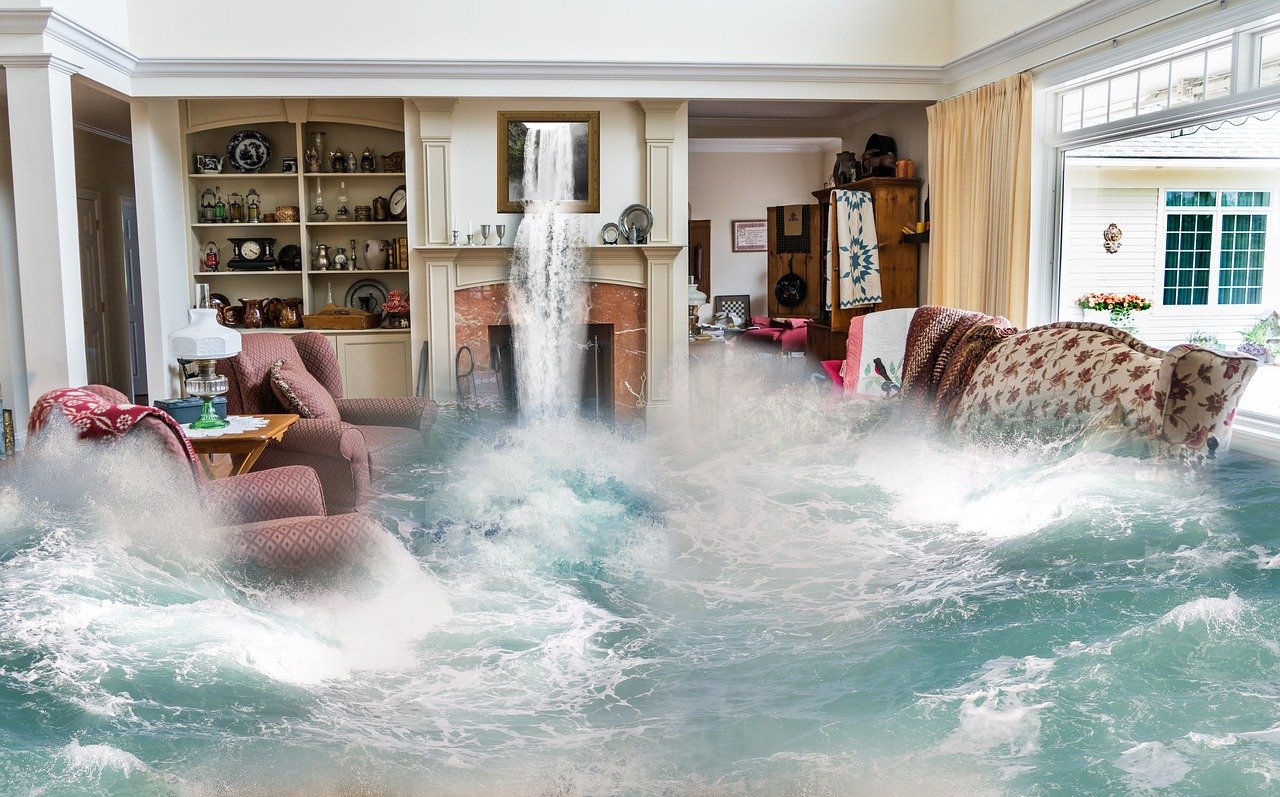
A burst pipe. A backed up sewer. Heavy rain. Malfunctioning appliances or sump bumps. Water damage happens more than you think.
There are a lot of ways water can get into your home, but the end result is always the same: a massive headache for you and your family.
Fortunately, you don’t have to go through this alone. As experts in emergency water damage restoration in San Diego, we know what steps you should take to deal with flooding in your home.
1 – Make sure everyone is safe
When water enters your home, the first thing to do is make sure you and your family are safe. You can do this by:
- Shutting off the power — Water and electricity are a deadly combination, but you shouldn’t shut the power off if doing so requires you to stand in or walk through wet areas. Call an electrician and wait until the power has been shut off before going back into your home.
- Protective clothing — Putting on gear like rubber gloves and boots can protect you against sustaining injuries while wading through bacteria-infected water.
- Careful driving — If the flooding in your area is bad enough, you may be forced to leave your home. Wait until you get the OK from emergency officials before returning and never drive through flooded areas.
Once you know your home is safe, you can work on protecting your valuables. Remove rugs from wet flooring and place tinfoil under your wood furniture to keep it from staining the carpet.
2 – Call your insurance agent
Insurance coverage varies depending on which policy you’ve chosen, but it’s important to get in touch with your insurance company soon after the water damage occurs so they can have an adjuster visit to assess the damage.
Take photos of all your items before, during and after the clean-up to help the adjuster make their assessment. The adjuster may even recommend a San Diego emergency water damage restoration company like ours to assist you with your clean-up.
3 – Cleaning up
Try to begin your clean-up within a day or so after you receive permission to return home. If the damage is too much for you and your family to tackle on your own, you may need to enlist the help of a company that can handle emergency water damage restoration in San Diego.
Separate the things you can salvage from what needs to be thrown away. You may need to remove drywall, insulation and flooring to keep mold and mildew from growing in your home.
4 – Drying
Once the water is gone from your home, you’ll need to dry out your belongings. Assuming your power is back on, run your central air — or use floor fans and dehumidifiers — to dry out damp areas of the house as much as you can.
Again, you’re going to need to remain vigilant when looking for mold and mildew. The faster you start drying, the less risk there is for these substances to spread.
Emergency Water Damage Restoration San Diego
Are you looking for emergency water damage restoration? San Diego’s Under the Rug Floorcare can help.
From water extraction to deep cleaning to mold removal to sanitizing and deodorizing, our team can make sure your home is safe, clean and protected. Contact us today to learn more.