Every single day, your home’s highest traffic areas absorb a heavy volume of tracking soil, fine atmospheric dust, pet dander, and microscopic allergens. While regular vacuuming manages surface debris, it cannot reach the deeply embedded contaminants that bond to carpet fibers. Over time, these jagged particulates act like sandpaper, wearing down the structural integrity of your flooring with every footstep. For homeowners looking to protect their structural investment, professional carpet cleaning in San Diego CA provides the exact restorative hot water extraction needed to maintain a clean, healthy, and visually stunning indoor environment.
By focusing on deep soil suspension and advanced extraction methods, deep restorative maintenance completely transforms your indoor living spaces. Maintaining these textile surfaces requires an understanding of fiber chemistry, local climate impacts, and the hidden mechanics of deep-down wear. Let’s look closely at how professional care extends your floor’s lifespan and keeps your home fresh.
Why Professional Deep Cleaning Outperforms DIY Methods
Many homeowners attempt to tackle stubborn stains using rental machines or store-bought spot treatments. Unfortunately, these consumer-grade options often cause far more harm than good. Rental units frequently lack the vacuum lift power and air volume necessary to extract water completely, leaving the underlying padding heavily damp. This trapped moisture creates an ideal breeding ground for sub-floor mold, mildew, and bacterial growth within 24 to 48 hours.
Furthermore, over-the-counter spot cleaners usually have a high pH level or contain sticky detergents that are incredibly difficult to rinse out. When these soaps dry, they leave a tacky residue behind on the fibers. This residue acts like a magnet for dirt, causing the exact same spot to turn dark and soiled again just a few weeks after cleaning.
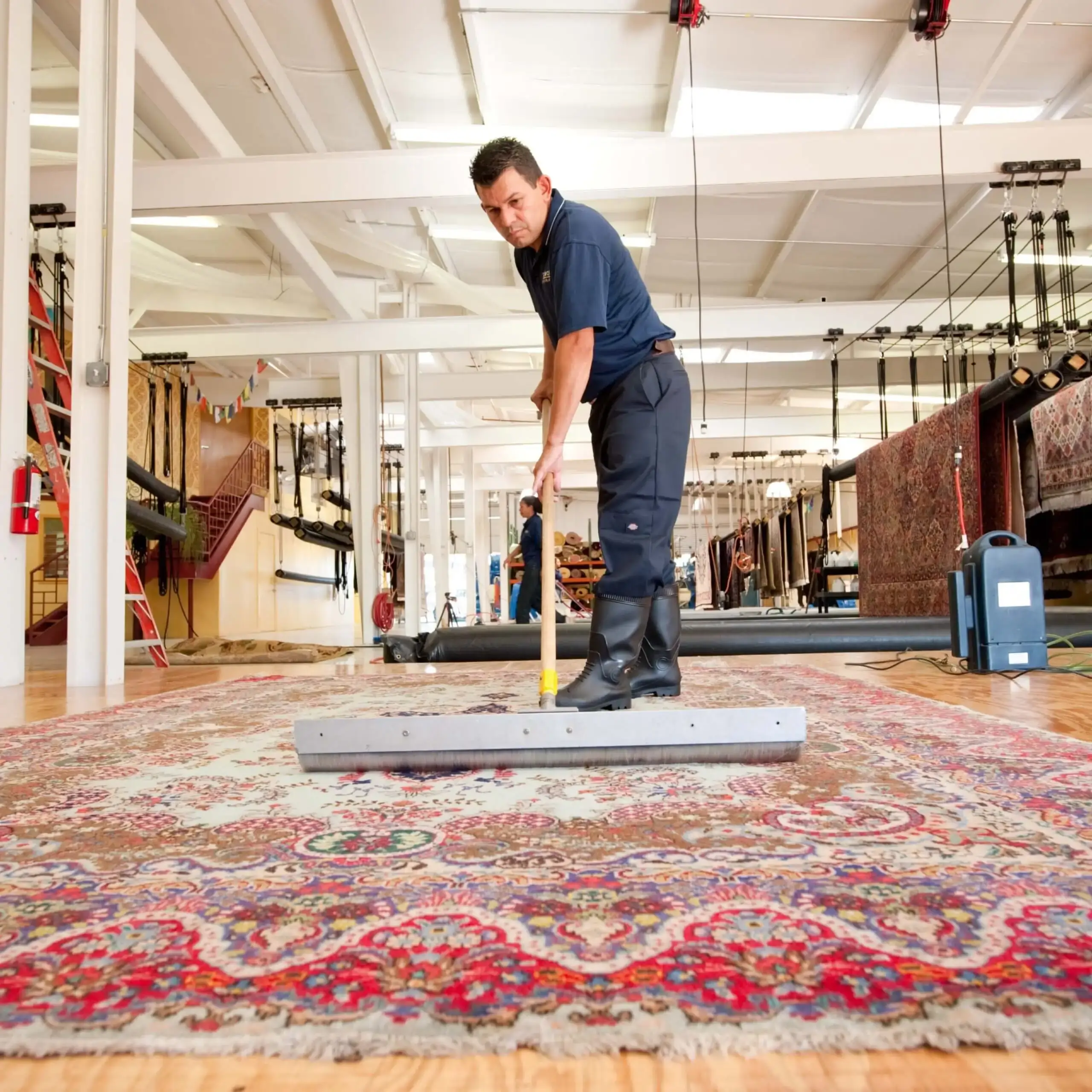
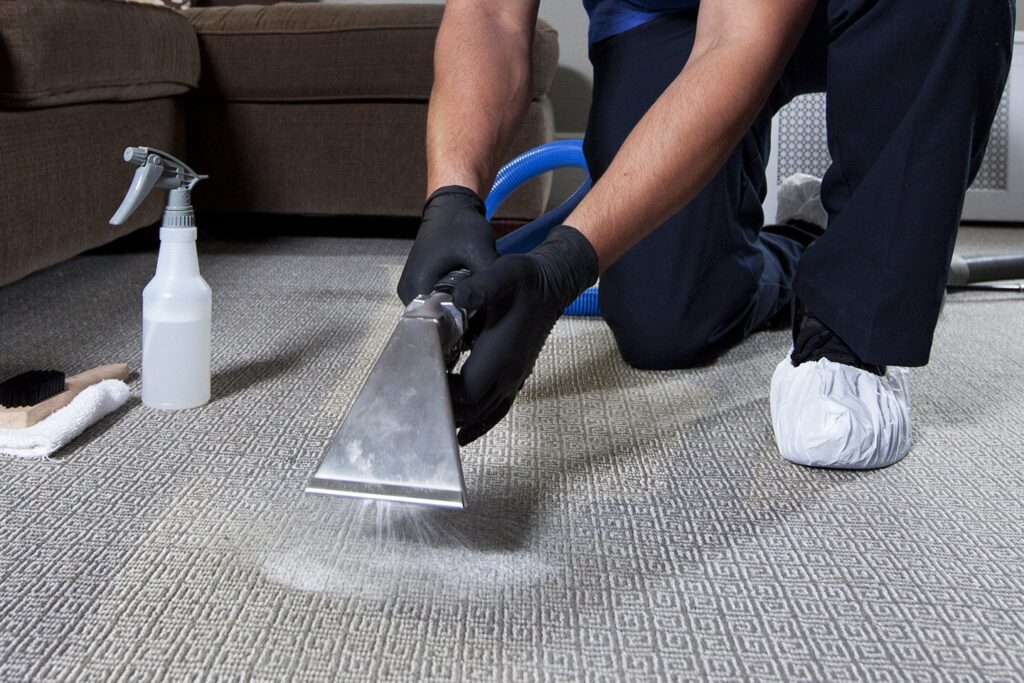
Professional floor care relies on truck-mounted extraction systems that heat water to optimal soil-breaking temperatures. This process breaks down oily binders, emulsifies stubborn spills, and pulls out deeply embedded particulates without over-saturating the backing materials. Specialized technicians understand the exact chemical balance required for different fiber profiles, ensuring your backing and pile remain perfectly intact while leaving zero sticky residues behind.
The Environmental Impact of Coastal Climates on Indoor Textiles
Living in a beautiful coastal region like Southern California brings unique environmental factors that directly affect indoor textiles. Shifting marine layers, seasonal humidity, and regional pollen counts mean that your home’s air is constantly moving particles indoors. Because carpets act as a massive indoor air filter, they trap airborne dust, dander, and outdoor spores that drift inside through open windows and doors.
When that textile “filter” fills up completely, everyday walking tosses those allergens right back up into your breathing zone. Deep extraction washing flushes out the trapped particles entirely, significantly improving your indoor air quality. According to data tracked by the Environmental Protection Agency (EPA), indoor environments can hold notably higher concentrations of pollutants than outdoor air, making consistent textile extraction a key pillar of true home wellness.
In coastal areas, higher humidity can also cause deeply embedded dust to form a sticky bond with the carpet fibers. This prevents regular vacuuming from lifting the soil effectively. Professional systems utilize targeted heat and pressurized water to break this bond, lifting pollutants that standard household equipment simply cannot budge.
Core Pillars of Premium Textile Restorations
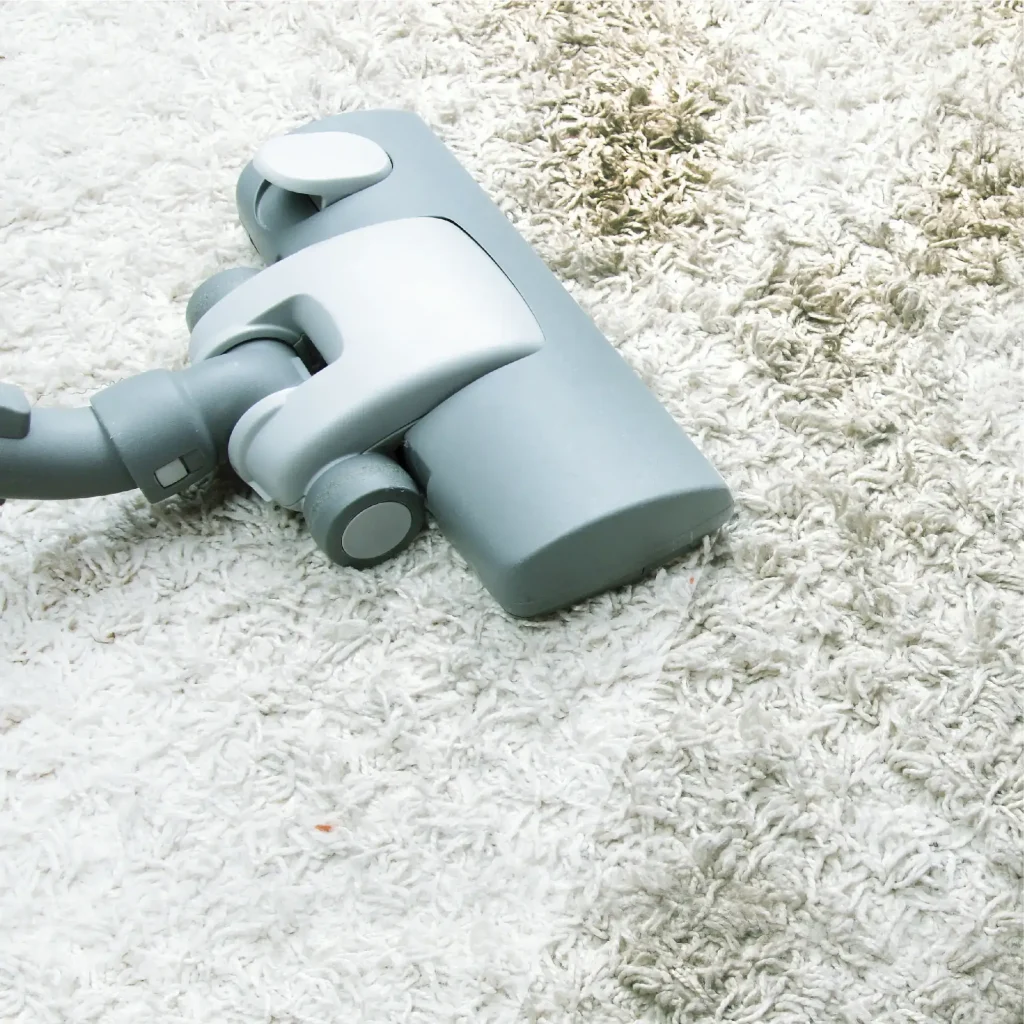
The visual transformation of a professional deep clean is immediately impressive, but the technical benefits run far deeper. High-performance floor care relies on a structured sequence that balances chemistry, temperature, and mechanical extraction to protect the fibers.
1. Advanced Soil Suspension
Before a drop of water touches the floor, applying specialized pre-treatments separates sticky oils, cooking residue, and pet dander from the individual carpet fibers. This step emulsifies the soil, suspending it so it can be completely swept away during the rinse cycle.
2. High-Temperature Thermal Extraction
Utilizing water heated to precise, consistent temperatures breaks down molecular bonds within deep stains. This high-heat extraction ensures a thorough clean without requiring harsh, degrading chemicals that can strip away the carpet’s factory-applied stain resistance.
3. Optimal Micro-Climate Control
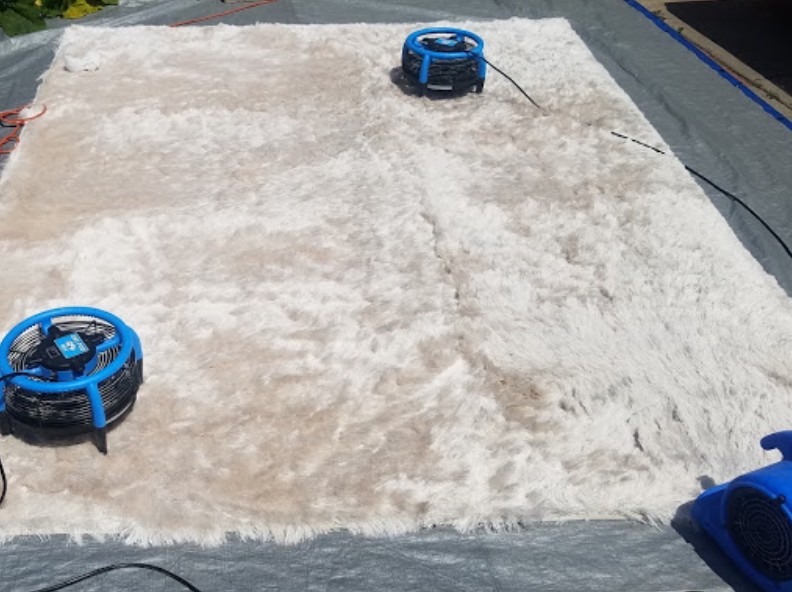
Industrial-grade air movers and precise extraction passes accelerate dry times significantly. This rapid drying process lets you return to your normal routine quickly while preventing “wick-back,” a phenomenon where deep stains wick up to the surface as a damp carpet slowly dries.
Protecting Your Structural Investment
Carpets are among the largest financial investments inside a home. When fine sand, grit, and outdoor soils settle deep into the base of the pile, they act as tiny blades. Every footstep grinds those sharp particles against the fibers, cutting and fraying the yarns. This friction causes premature wear, matting, and unsightly traffic lanes that cannot be undone by cleaning alone. Investing in routine professional maintenance removes this hidden abrasive grit, adding years of functional life to your floors and saving thousands of dollars in premature replacement costs.
Content Summary & Maintenance Overview
To help you maximize the longevity of your floors, the following chart summarizes the core structural benefits of professional cleaning alongside ideal maintenance intervals for local households.
| Cleaning Factor | Standard DIY Impact | Professional Extraction Impact | Recommended Frequency |
| Soil Removal Depth | Surface pile only (top 30%) | Deep backing and fiber roots (100%) | Every 12-18 Months |
| Residue Level | High sticky soap residue left behind | Zero residue; completely neutralized | Post-heavy traffic seasons |
| Drying Window | 24 to 48 hours (risk of mold) | 4 to 8 hours (rapid evaporation) | Spring or early Fall |
| Fiber Longevity | Accelerates fiber wear via abrasion | Extends lifecycle by removing grit | Mandatory for manufacturing warranties |
Understanding Traffic Lanes and Fiber Matting
Many homeowners notice that even after vacuuming, the pathways leading through living rooms or down hallways look dark and worn. This is often a combination of heavy soil buildup and actual fiber distortion. When dirt is left in the carpet for extended periods, the physical weight of foot traffic crushes the unprotected fibers.
Once fibers become severely scratched and abraded, they reflect light differently than the unworn carpet under furniture. This visual shading makes the carpet look dirty even if surface dust is removed. Regular appointments for carpet cleaning in San Diego CA ensure that these high-use pathways are thoroughly cleared of abrasive elements before physical fiber damage occurs, keeping the pile standing upright and resilient.
The Importance of Professional Spot and Stain Treatment
Spills happen, whether it’s a dropped glass of red wine, a morning coffee mishap, or a pet accident. The initial reaction is often to scrub the area vigorously with a towel and dish soap. However, aggressive scrubbing distorts the carpet fibers permanently, causing them to fray and unravel.
Professional technicians approach stain removal through the lens of chemistry. Stains are generally divided into organic, synthetic, or petroleum-based categories, and each requires a specific counter-agent to safely dissolve the bond. For example, pet stains require specialized enzymatic formulas that break down the urine crystals completely, eliminating both the visual mark and the deep organic odors at the source.